bil.png)
Archive Record
Images
Metadata
Object ID |
2013.55.87 |
Object Name |
Video Recording |
Title |
Pierre Lueders Interview |
Scope & Content |
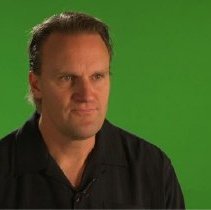
Pierre Lueders interview, 30 August 2012. Digital MP4. Three videos with a total viewing time of 00:23:33. 00:25When was the first time you were in a bobsleigh: 1989 - 1990, relative from former East Germany suggested he try the sport, was 19 at the time, on the COP track 01:00When do people start the sport: more of a mature sport, when he started athletes had to be 19, now can be 14 to 16, generally come from different sports, different backgrounds such as football, track, power sports in particular 01:32Where you identified as a strong competitor from the start: first year was a member of the Alberta team, next season 1990 made the national team as a pilot 01:58Why did your cousin want you to get into the sport: he was a former weightlifter and as a journalist covered bobsleigh, he seemed to think Pierre had good physical capability and some mental capability that would allow him to be successful 02:31On the mental capacity needed: bobsleigh can be a dangerous sport if not 100% concentrated, long time commitment required, tremendous strain mentally and physically 03:07How long did it take you to decide to commit: first goal was to make the national team by the time he was 24, able to do that within one year, no idea how far he would go in the sport but was just going to give it his all 03:32When you won your first world cup in 1992 how long had you been doing it: third year driving 03:41Did you know how good you were: was average in learning to drive, not the best in driver's school, had to work harder to make it to the top, no indication he was going to be a World or Olympic champion when he started 04:16What was your greatest strength: my ability to work harder and never quit, that is something that can overcome a lot of deficiencies, maybe you're not the fastest guy or the strongest guy, but if you keep working at it and believing you will have success 04:57On the importance of the start in the race: one of the most important parts of the race, similar to having a good engine in a race car, if you don't have a good start time, a good velocity at the start of the hill, it's very difficult to be fast down the hill, need to be a good athlete yourself and have other good athletes in the sled who are usually better athletes than you are, it's a team sport, feels very fortunate to have good athletes over the years who have made him successful 05:47On team dynamics, how does that work: smaller teams tend to have bigger problems than bigger teams with more people, with the same people year in/year out for many years, when new athletes are introduced there can be contentious times, because it is a small group everyone knows one another quite intimately in and out of the sport, can be some major issues that you might not find in a bigger team 06:52On Dave MacEachern & the Gold medal in 1998: one of the best brakemen, much of his success is attributed to having him as his team mate, great team atmosphere and worked well together, tied with the Italian team for the Gold medal, was the first time in Olympic history that it happened that there was 2 Olympic Champions in the same event 07:42On his home track at COP: always really looked forward to racing at home, had more experience there, could race in front of family and friends, also televised, special to race at home 08:26Do you see the sport growing: more popular than it was, when teams do well in any sport we as Canadians want to read abut winners 09:08Are there any races that stand out: none of the Olympic races are the highlight; the 2004 World Championship race in Konigsee, Germany, first ever title, 2 day format of racing, race where he feels he drove perfectly and nothing could have been done better, also beating the Germans on their home track - they were not happy and it felt great 10:19Any races where you learned a lesson: the Olympic race in Lillehammer 1994, was supposed to win a medal, being caught up in the Gold medal race was so overwhelming that we forgot we could actually win a Silver or Bronze, big lesson, 4 years later we won so lesson learned; in Salt Lake City in 2002 not taking care of his sled, competed with a broken sled, realized this after the Games, missed medal by 11/100ths of a second, big lesson of equipment maintenance and moving forward was to ensure you are prepared to the fullest 11:34How did you move forward: always learn from your mistakes, goal was to never repeat the same mistake twice and try to push yourself to be better, just to learn from those lessons and improve and try to make yourself better 12:07On his partnerships with his brakemen: had a multitude of world class brakemen, always different dynamics with different athletes; 2006 was unique because Lascelles did not become a Canadian citizen until just before the Olympic team was named, stress knowing you may not have the best athlete on your team, it worked out, the Canadian government came through, once we knew he was receiving his citizenship we knew we were winning a medal, that was a great feeling 13:22Retirement decision: easy one after 20 years in the sport of bobsleigh it was time to do something else, wanted to give something back in terms of coaching, did coach in Canada for 2 years, "I had been in the sport so long I felt it was my duty to give something back to the younger generation" 14:08On his style as a coach: he makes the athletes work hard, push them harder than they realize to a level they can go to and seeing what the limit of their capabilities are; "whether mentally or physically or emotionally the sport of bobsleigh has a way of pushing you very quickly to a certain level and I try to show the athletes that they can push beyond the level they believe is possible to a level that is something they never imagined." 14:54Did you have that person in your life: his coach on the national team from 1989 to 1998, he expected perfection every day, whenever you were sliding you were doing your best and even away from the track; big influence of instilling that competitive desire to be the best 16:03On the evolution of the sport in terms of improvement in athletes and equipment: he uses himself as a reference, when he started pilots/drivers were not the best athletes on the team, he and a few other athletes were good at pushing and learned the driving skills after; only 3 in the 1990's who were good athletes at the start and driving skills gradually caught up to athletic ability; now right across the board everybody, whether men or women, driver or crew, are all exceptional athletes, that is the biggest parity that has changed, everyone is competitive at the start; in terms of equipment: it is a racing sport, countries are continually looking for advantages in speed, the amount of money that gets invested now in sleds and runners far beyond what he could have imagined 20 years ago 17:36As a coach: it has its challenges as well, where funding can be a limiting factor between sleds and great athletes 17:56A slider said you were his favourite person to compete against, why do you think he said it: "I just loved racing. That's why I did the sport, for the competition. When it came to racing I was a tough competitor but a fair one. I always stayed within the rules. Racing was you against the clock and not so much against other people" 18:39How does it make you feel when people say you are Canada's greatest bobsledder: great honour to be remembered as one of Canada's best, not really something anticipated or believed would happen when he started; "I just went about my business and worked hard. That desire to win and do well allowed me to stay in the sport for so long" 19:15On being inducted: big honour, nice to be part of Canadian history 20:12What would you like your legacy to be: to leave the sport in a better position than when I started; feels he was able to do that, that athletes in Canada are more competitive and more professional Video 2Speech for induction dinner Video 3Exit message |
Date |
2012/08/30 |
People |
Lueders, Pierre MacEachern, David Brown, Lascelles |
Search Terms |
Interview Bobsleigh Pierre Lueders 1998 Olympic Winter Games Nagano 2006 Olympic Winter Games Torino World Championships World Cup Champion |