bil.png)
Archive Record
Images
Metadata
Object ID |
2013.55.118 B |
Object Name |
Video Recording |
Title |
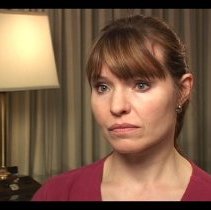
Kathleen Heddle Interview |
Scope & Content |
Kathleen Heddle interview, 26 February 2009. Digitized MP4 from Sony 40 Advanced ME DVCAM. Two videos with a total viewing time 01:08:50. 1 of 2; 00:04Childhood: youngest of 4, always active in sport, all sports, average athlete in high school, stated rowing at university and found her sport at age 18 00:52How did you get into rowing: tried out for the university volleyball team, rowing coach approached her, decided to give it a try, after a few practises felt she had a sport she could do well in 01:50What attracted you to it: it was a team sport but at the same time seated by yourself, did not interact with team mates all the time, repetitive stroke, can and have to be within yourself to be rowing same technique and rhythm, at sometime doing it as part of a team, different from other team sports, found it an internal sport and a team sport at the same time 03:07Coach: Drew Harrison, had ties with the national team, told her when he approached her that many of the people he started in rowing went on to make the Olympic team, that attracted her, would be able to travel to Ontario 04:15Was there a desire as a child to excel at a sport: didn't think of going to the Olympics, had no specific, legitimate sport through childhood 05:06Something sparked when the coach mentioned the Olympics: the day she was recruited she did not think she could go, a year later she knew she could 05:39Training progression: part of the UBC crew, 1 ½ year later made the Pan American team (B level team), went into Olympic trials in 1988 but did not make the team, knew her Olympics were 4 years away, 1989 made the A team and was 4th at the World Championships, 1991 won Gold in the pair with Marnie and Gold with 8's at the Worlds and make the Olympic Team in 1992 07:44When did you pair with Marnie: part of same camp, she came on in 1989 as well, trained with others, coach saw something that might be a good fit, did seat switching with other team members and she& Marnie came out on top 08:45Coach Morrow: coach from 1989 on, head women's coach 09:23How did you make the different personalities work: she and Marnie were very different, had a lot of struggles, as the years went on they learned how to fill each other out, appreciated how each other worked, learned to respect that and not to change the other person, combined strengths well 10:27Did you go to the coach: never went to the coach saying she did not want to row with Marnie, he was aware of the situation, perhaps more so than they were, did talk with him, both knew in the end they were the best partners for each other, was some frustration but was successful, learned to work with that 11:43Did success help you: Marnie thrived on the spotlight, very social, friend with the other competitors, that was how she prepared for competition; for Kathleen it was staying within, prepared in an internal way; each realized they prepared their own way 12:56On the 1991 Worlds: validation; the Lucerne Regatta was an important race and was considered a warm-up to the Worlds, not expected a lot and won 14:08Bench marks that propelled you to the next level: team also trained and raced in the 8s, there were 6 other girls who could also go into the pairs, raced each other and competed in team practises, that pushed them, any one of the other pairs could have won the Gold in 1991 if they had been selected to race 15:24How was the pairs choice made: by seat racing with the other teams, at the end she and Marnie were most consistently fast but not by a great margin 16:00Recipe for success: impossible to know, coach good at preparation, not only physically doing right kind of training but mentally ready for any situation that might come up, both felt strong, fit, powerful, had a special thing together, rubbed each other the right and wrong way, maybe the tension helped us 17:36Mindset for '92: went in as the favourites, approach was to be in their own bubble, a lot of distractions around them, able mentally to shut them out and internally focus, not here to win, knew what we need to go fast, row in our bubble, if they did these things they should go fast 19:28On the race: doesn't remember the race in much detail 20:30Differences between the pairs and eights: talks about the technical requirement, different focus in the 8 because listening to the coxswain rather than yourself, so used to the switch between the two disciplines, practised both each day, schedule at Olympics set up to facilitate racing both, physically and mentally not a problem 22:20On winning 2 Gold medals: they were young, naive, not knowing what to expect, talks about the other medals the rowing team won, one of 20 people who had won a Gold medal, not exclusive, not a whole lot of attention paid to individuals; afterwards wanted a break, a normal life, not a huge number of people recognized her after the Games 23:33On hiatus (mini retirement): needed some time away, Marnie concentrated on the single sculls, competed against Silken for spot on team and lost, called Kathleen and asked her to race doubles with her, hadn't been training for 1 ½ years, checked with the coaches who agreed to the pairing, did not put pressure on them as a team as they were switching events, did it for fun, as an experiment, started 6 weeks before a regatta, won Silver at the Worlds 25:37Did you ever think about singles: trained in singles once she switched to the sculling side, happy being in the doubles and quads 26:40Didn't look at it as an opportunity lost, did not occur to her, thrilled to be part of the doubles, happy with pursuit of goals in the doubles and quads 27:05Perceived weaknesses: was a pretty complete package, struggle going into 1996, more pressure on them, sometimes did not deal with that very well, brought her out of her comfort zone, saw is as "me being comfortable with who I am and this being good for me", talks about the differences between herself and Marnie and their different approaches 33:36Expectations for 1996 on switching events: new event, thought would be less expectations in 1994 when they started, then they won Silver in 1995 and Gold in 1996 at the Worlds, back to being the favourites, expectation then more than 1992 34:14On her expectations: try to keep the mindset: not about winning the Gold, keep on track, work on small things that were in their control such as strength, technique, that would hopefully lead to the greater thing, did not focus on Gold, knew they could end up there 37:27What do you remember about the final race: remembers feeling a lot of pressure, enjoying the bubble, doesn't remember a lot about the race, followed the race plan to get out in front and hold on, gruelling intense race, going hard from start to finish and collapsing at the finish line, huge sense of relief 36:45The famous picture was from Atlanta 38:16Interviewer talks about the difficulty of the sport and how gruelling it is, do you miss it: talks about the training, at the time in a zone, took it in small steps to get through the day, just used to being tired all the time, trained and conditioned body to the right point, training designed to do that, never blacked out, remembers feeling so tired, the third row of the day was the hardest because exhausted by that time, helps being part of team, so competitive internally on the team so could not let up 2 of 2: 00:17On physiological differences: the engineers measure the stroke lengths and adjust the boat to make everyone a bit more equal, spent a lot o time doing drills to grind in the proper technique, watched a lot of video, worked on it enough so most of the race held to the technique 04:05How does it feel to be at the top of the world in a sport so difficult: really proud of what he had done, her life now is so far removed from that, it is normal and routine now, doesn't talk about the 3 Golds, proud but can't express it much, still in contact with Marnie, great feeling to have that connection, a bond that won't go away 06:21Special moments: when she thinks of rowing with Marnie it brings out good feelings, few bad memories too, overall really good; not her thing to do commercials endorsements or speeches, found it too stressful, is comfortable with that choice 11:20Is it right to pursue something for the recognition: no; feels it should be pure, as move up in the sport these things will get in the mix, not a bad thing to go for the money and endorsements but ultimately have to go for it for reasons you started with, if became too important can throw you off, not the right motivation, nice bonus on the side 12:38Most proud of: proud of the way went through the team, way she approached sport, stuck with what she believed, did feel pressure to be another type of person, proud to be just herself and you don't have to be an extroverted person to excel in sports, can't judge a person on how they are on the outside, it doesn't mean they are not going to be competitive and work hard, she is a good example of that, (15:29) restates above, discusses the extrovert/introvert in athletes, "just be yourself and be proud of yourself and be who you are" 18:20On being inducted: amazing to be part of the CSHoF 19:23On Al Morrow's induction: it was the 10 year anniversary for Atlanta, lot of the team there, was a reunion 20:23What it means to be an Olympic athlete: sees it as something she did that was very special, travelling and being part of the team, not a sacrifice, great lifestyle, an alternate lifestyle that is very rich 26:23Introduction to Hall |
Date |
2009/02/26 |
People |
Heddle, Kathleen McBean, Marnie Morrow, Al |
Search Terms |
Kathleen Heddle Interview women in sport Rowing Aquatics 1992 Olympic Games Barcelona 1996 Olympic Games Atlanta World Championships 1987 Pan American Games |