bil.png)
Archive Record
Images
Metadata
Object ID |
2013.55.42 B |
Object Name |
Video Recording |
Title |
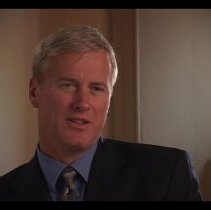
Paul Martini Interview |
Scope & Content |
Paul Martini interview, 6 October 2006. Digitized MP4 from Sony 40 Advanced ME DVCAM. Two tapes with a total viewing time of 00:49:32. 1 of 2: 00:30Childhood: mother huge Barbara Ann Scott fan, father reasoned that figure skating taught you how to skate and if you can't skate you can't play hockey, started both age 5-6 01:23Transition to figure skating: did both hockey and figure skating until high school, by that point had played rep hockey and had been to Nationals in figure skating, typical rink rat; in high school had to make a decision, as needed to concentrate on his school work, made the call as he had better chances in figure skating than in hockey, not quite so many guys in that sport 03:03Was skating a career or hobby? No yet decided it was going to be a serious endeavour, watched the 1976 Olympic Winter Games on TV and decided it was something worth shooting for 03:52Skated both singles and pairs, one Nationals did both, but realized both required a lot of time, effort and energy, not exceptionally good at figures so channelled into pairs 04:33Partnering with Barb Underhill: had 2 previous partners, had crossed paths with her but she was a competitor, then they both were without partners at same time, did not know that, Barb came in to skate with his coach Louis Strong, he suggested they skate together 07:02Had the initial experience of something they had not experienced with their previous partners, could immediately do things efficiently and well, very exciting; for Barb skating with a partner made things that had been previously a challenge weren't there anymore 08:14Size difference: trend in the sport starting to match up smaller, lighter framed women with bigger guys, just made everything easier, challenge is to make it look right, concentrate on skating style: he had to get down into the ice and she had to present herself and make the 2 look like 1; have to recognize what is important, prioritize and work on it 09:41Commitment & ambition: when they got together things happened so easily they go to be a proficient team, reflected in results - got together the summer of 1977 and in 1978 won the Canadian Nationals and World Junior Championships; extraordinary amount of success, both recognized longevity, goals that might be obtainable like the Olympics, understood how big the next step would be - to be a contender at the very top of the sport 11:10Psychological change: realized 1980 Olympics was possible, set that as a goal, one thing to get to the Olympics, another to do well there; take it a small step at a time, realistic about what you hope to accomplish 12:32On judging: you earn your name, as a skater under that system you learn that was how the game was played, that was the reality how figure skating operated and it was in your best interest to accept it and not dwell on it; challenge to us was after achieving the goal of the Olympics was not having given a lot of thought to anything beyond; what else is there to do, they had no illusions of winning medals or titles 14:54On the partnership/relationship: every one approaches it differently; the success they had was due to the diversity they had, common interest at the rink, had a great time on the rink, respected one another, went separate ways away from the rink, that kept them fresh and gave them other venues and outlets, that worked for them, you need to find the dynamics that work for you and work with that 16:40Pairs/singles psychology: you have to accept that the person out there with you is giving 110% as you are and you don't feel that there is a flaw that is going to cause problems, accept mistakes, get past them, don't dwell on them 19:04After 1980, did you have a 4-year plan? Not initially, thought of retiring, no aspirations of higher achievement, financial challenge, some interest in going pro, Barb had back injury; Canadian Figure Skating Association approached them and said if they were willing to make a commitment for the next 4 years, they would find some financial resources, huge step for an amateur sport organization in Canada; made them think of continuing 21:351984 Olympics: there was a possibility of a medal since they had won a Bronze at the 1983 World Championships; 1983 very exciting time, lots of enthusiasm and support; did not compete in fall of 1983, decided the goal was the Olympics and the World Championships, would just compete at the Canadian Nationals, Barb injured & could not skate, created a level of stress, no confidence; were name to the team, lead up time not ideal, not acclimated to Sarajevo, just compounded the stress, the Canadian team overall did not have too many medal contenders and felt the pressure of being a contender 25:04On the pressure: as an elite level athlete you have to learn to find a place for that, accept it and not be afraid of it, put it aside when needed; talks about how the Olympics are more difficult for a winter sport athlete than a summer one - a summer athlete has opportunities to attend other multisport events such as the Commonwealth Games and the Pan American Games, for the winter athletes there is just the Olympic Games, it can be overwhelming because you haven't had the opportunity to mingle, mix, experience the multisport event, when the times comes to perform, maintain your focus to get done what you know you are capable of doing 27:55What happened in 1984 at the Olympics? Fell in short programme and that eliminated any chance of a medal, felt devastated, felt emotional let-down 29:44The 1984 Worlds: 3 weeks between, went back into the rink but no spark, no enthusiasm, 10 days prior their coach Louis decided to withdraw them; talks about Brian Orser visiting, talking with Barb and suggesting that she try her old skates because the new ones were not working, had them in her car, blades rusted so Paul switched the new blades to the old boots, they realized that had been the problem, lesson learned, new equipment may not be as good as hoped for 35:46Winning the Gold at the Worlds: remembers had a great week, every practise session was great, had the confidence to show everybody what they could do, so pumped about being able to skate to their full potential, had decided to retire after the Worlds, enabled them to conclude their career in a great way 36:08On turning pro: not difficult in terms of being ready for it, mentally had made decision to retire, more difficult in that the support group, such as their coach, was gone, forced to grow up, before their life was isolated, didn't have to make life decisions, now on own but they were ready to make the move; you are only as good as your last performance, motivation to maintain degree of longevity, maintain high standard and expectation of yourself 2 of 2: 01:21Life lesson: "The most important thing I learned from my skating career is that if you are going to be successful, academically, athletically, you got to break it down into small chunks. You have to get yourself some goals. If there is a long term goal, that is where you want to get to, you would be wise to break it down into little pieces and take satisfaction out of achieving each of those little pieces. Slowly, little by little, attack it, because if you try to attack it all at once, you are not going to get there." 02:21On winning/losing: "I think you learn more from losing. You learn more about yourself and you become far more savvy to the things that can cause you problems. You have to know what all the potential pitfalls are in order to avoid them and you don't necessarily encounter the pitfalls by avoiding them all the time." 03:41"Some athletes fear success. To get past that you have to get yourself into a position where you are comfortable with winning ... You have to develop a level of confidence, knowing you trained hard enough, worked hard enough, you know what to expect and should something begin to unravel, you know how to correct it quickly. And that comes from experiences and the skill set and knowledge." 05:11Talks about a funny moment 07:32On being competitive: "room for anyone who has any drive to embark on any athletic endeavour, there are opportunities to participate at any level. You just have to find that niche." |
Date |
2006/10/06 |
People |
Martini, Paul Underhill, Barb Strong, Louis Orser, Brian |
Search Terms |
Paul Martini Figure skating skating Interview 1980 Olympic Winter Games Lake Placid 1984 Olympic Winter Games Sarajevo 1984 World Figure Skating Championships |