bil.png)
Archive Record
Images
Metadata
Object ID |
2013.55.53 B |
Object Name |
Video Recording |
Title |
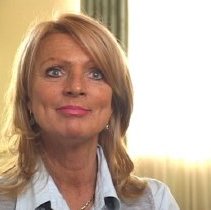
Julie Sauve Interview |
Scope & Content |
Julie Sauve interview, 2 November 2006. Digitized MP4 from Sony 40 Advanced ME DVCAM. Viewing time 00:30:55. Discusses the judging mistake at the Barcelona Olympics and the fight to reverse the decision, shows her perseverance and determination for her athlete 01:40Childhood: played lots of sports, a tomboy, played hockey for 12 years, softball, track, football, good diver and swimmer; turned to synchronized swimming because of the coach who was charismatic and like the way she coached her athletes, like watching them in the pool, so artistic, she was flexible and felt she could do well in the sport 03:06synchronized swimming was at same facility, her swimming/diving coaches did not want her to switch 03:45On switching to synchronized swimming: much more difficult, still training for track which gave her a cramp in the pool so she had to quit track, realized syncho much more difficult, had to hold breath underwater and work together as a team, very tough sport, when you see the practise you see the final product and to get there must do weight training and flexibility, many hours in the pool 05:16Were new skills difficult to learn: hardest staying under water for so long 05:49Sports idols: the oldest one in the club at that time, synchronized swimming was not in the Olympics, started to build national team in 1982 when she was a coach 06:29When did you start to take it seriously: at 6 already focused 07:08Switch to coaching: needed a coach at the club, agreed to take a temporary position because she like to do the choreography, kept on going as coach and won Nationals, decided to stay on as coach 08:25Did you miss the swimming part: no, liked choreography and technique and helping others, really an artistic sport and loved it 08:55How do you do the choreography: choose a theme, learned movement in dance class, learned music, made a plan and build it with the swimmers, had a storyboard, always moving the patterns in the water to be symmetric and make new patterns and formations, had a plan when got to the pool and go with the plan 11:14Do you still have some of these drawings: yes 11:48When did you first meet Sylvie Frechette: she was 7, remembers when she came to the pool, saw a tall child, she learned everything quickly, extremely flexible, knew right away she was good and world champion material 12:55As a coach did you treat her as the other girls: she was attending a school close by and could get extra time in the pool, gave her that time 13:41When did she start to take synchronized swimming seriously: right away; she was a champion at 13, won a lot of competitions internationally, charismatic in the pool, considered a phenomenon is the sport, no one close to her 14:55Barcelona 1992: Sylvie's boyfriend died 5 days before they were to leave for the Olympics (not surprised), very difficult for her, she did not want to go on but Julie insisted she continue to train, kept media away from the pool when she was training, good for her to do that; Thought everything bad that could happen had, then judge made mistake in posting her mark and American referee would not allow her to change it, helping the American swimmer, wrote protest, referee rejected it, went to appeal next day and again rejected, did not give up, approached Minister for Sport for help and 1 ½ yrs later decision reversed and Sylvie given the Gold medal, Sylvie does not remember that time, she came back for the team event in Atlanta in 1996, difficult for a soloist, and helped win the Silver medal 20:00How did you consul her after that judging mistake: she trusts me, in a competition I have control over myself, my athletes and some judges, focused on the task 21:41They acknowledge the mistake but would not fix it: they didn't want to, talks about the appeal the next and that the board did not call the judges involved but did involve the referee, when appeal rejected did not give up but continued the fight, very rare to have an appeal overturned; notes that the judge did not have a flash card to indicate a change, that should have been there 24:57How did Sylvie get her medal: special ceremony in Montreal, lots of people there but not the same thing as happening at the Olympics 25:41Highlight of your career: the sad part was what happened to Sylvie; good things were travelling with Sylvie and the Vilagos twins and having fun with them, found joking with the athletes relaxed them 26:51Talks about funny moment 28:58 Why retire now: working full time for city of Montreal, doing different things for herself 29:35How will you feel when the team competes in Beijing: accomplished everything I wanted, had fun with her athletes; remarks how the new coaches are now realizing she made it look easy when it was actually tough |
Date |
2006/11/02 |
People |
Sauve, Julie Frechette, Sylvie |
Search Terms |
Interview Women in sport Julie Sauve Swimming Synchronized swimming 1992 Olympic Games Barcelona 1996 Olympic Games Atlanta |