bil.png)
Archive Record
Images
Metadata
Object ID |
2023.21.1 |
Object Name |
Video Recording |
Title |
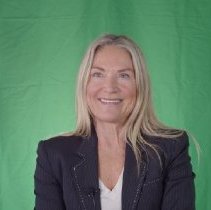
Karen Percy Lowe Interview |
Scope & Content |
Karen Percy Lowe interview, 24 April 2023, born digital, total viewing time 00:28:16. Transcript (edited): Janice Smith (04:57): Okay. How did you start skiing competitively? Karen Percy Lowe (05:00): I started skiing competitively when my parents decided to move to Banff from Edmonton. We used to go skiing on the weekends from Edmonton and then, when my dad became the principal of the high school there, that's when he put me in Nancy Greene program on Sundays. It was just a fun thing to do on the weekends. One thing led to another, I got into junior racing, made the national ski team, and all of a sudden, I was skiing in Europe and running around the world. Janice Smith (05:37): Excellent. What challenges did you face as an athlete? Karen Percy Lowe (05:42): Challenges faced as an athlete, there are all kinds that you face. Because I was so young when I made the Canadian ski team, I was 14 years old when I made the national development team, the biggest thing was just trying to grow up and mature at that young age and compete at a high level in the World Cup. I did that through just perseverance and watching others do it. Everybody around me was doing it, so I thought, "I can do this too." Janice Smith (06:19): How did you overcome the challenges that you faced? Karen Percy Lowe (06:22): How did I overcome the challenges that I faced? If I think back to when I was young and when I first started racing on the World Cup ski circuit, I just took everything in. I loved what I was doing and that was a big part of it, it was a playground for me. When it became serious, it was really just digging in and going, "This is real. I have to work hard, I have to train hard, I have to be focused and have a plan." At a young age, everybody around me helped me with that, too. My teammates, my family. It just happened naturally, it just came to me. Janice Smith (07:31): What was a daily training regime like? Karen Percy Lowe (07:34): Daily training regime for me would be, if we were not on the hill, you worked out twice a day. We had programs that we had to follow, whether it be weight training, aerobic training, anaerobic training, there were programs that we had to follow. It wasn't easy, that's for sure. When we were skiing on the glaciers and training for skiing, it would be, get up in the morning, go for a run, put your ski stuff on, go train on the glacier for three or four hours, come back down, do dry land training, and just over, over, and over again. Yeah. Janice Smith (08:16): What do you remember most about the 1988 Olympic Winter Games? Karen Percy Lowe (08:21): What do I remember most about the 1988 Winter Olympic Games? I remember that I was so happy. The biggest thing was I was so happy that they were in Calgary, because my mom, dad, and my family never got to see me race in Europe when I was away in Europe. The fact that I was in my own backyard and they were all able to see that, that was the biggest memory for me. Janice Smith (08:59): Excellent. What would you say is your best memory of the competition at the 1988 Olympic Winter Games? Karen Percy Lowe (09:07): There are lots, because I did ski four disciplines and the combined, which is five in total. When I won the first bronze medal in downhill, that was very special, and that was my strength, so to speak. My biggest memory is when I went to do the Super-G two days later. My boot broke, I was in the start gate, and that was my favorite event. I thought, "I'm not going to be able to race." My technician taped me off, away I went, and I got my second bronze medal. That, to me, was one of those things that, "That just happened?" I was able to go down a 100 miles an hour and still win another medal with a broken ski boot. Yeah. Janice Smith (10:05): Do you still have that ski boot? Karen Percy Lowe (10:07): I do, probably in the basement somewhere. Janice Smith (10:14): What role did your teammates play in your training or your performance? Karen Percy Lowe (10:20): Teammates are different in every sport. I would say that, in ski racing, like any other individual sport, you are competing against each other, but you are also rooming together. You get up in the morning... For instance, Laurie Graham was my roommate on the road, and we're both competitors, of course, we both want to win, but when you win and the other one doesn't, it's not the same as when a hockey team wins and you all get to celebrate together. They push you, they push you hard, because you watch what they're doing. They're role models in every way like, "How'd you do that?" You're always learning from them. Teammates were a big part of growing up in ski racing, for sure. Janice Smith (11:12): That's one of my next questions, it's about role models. Who were your role models? You mentioned you were in the Nancy Greene skiing program and you mentioned Laurie Graham. Were there others? Karen Percy Lowe (11:24): When I was young and just starting the competitive part of skiing in Banff, Nancy Greene was obviously the god of skiing, and I always thought I wanted to be like her. As a matter of fact, that's why I decided... Normally, most ski racers would discipline in one, like downhill, slalom and GS, or the technical. Nancy Greene did all four, so I thought, "I'm going to be just like her and do all four," so that's what I did. She was my role model. Janice Smith (12:05): What skills have you taken from sport and applied to other aspects of your life? Karen Percy Lowe (12:10): What skills have I taken from ski racing and applied in my life? Pretty much everything. Discipline, hard work. When you put time in, you get results. Not just in athleticism, but in normal life too. As a parent, as a mother of four children, not that that was hard work, but everything applied. Everything you put in, you got out. I really appreciated what I learned from skiing. Janice Smith (12:59): What are you most proud of, related to your athletic career? Karen Percy Lowe (13:05): What am I most proud of related to my athletic career? That's a really hard question, because when I was growing up as an athlete and a skier, and I was so young, I was just having fun. To me, looking back, I was most proud that I had enough discipline to really focus... The Olympics in 1988, I was 21 years old and I had a lot of growing up before that to do. It was something that I never planned on doing, I never went, "I'm going to be in the Olympics in 1988," but when I was, I was very well-prepared and I'm proud of myself for that. Janice Smith (14:01): When you say you're well-prepared, what did that involve? Karen Percy Lowe (14:48): So what am I most proud of as an athlete is that I was prepared. In the early 1980s, they told me I would be on a program with the National Development team for Canada in skiing. I was very young and I took that to heart. I just went, "Okay, I'm on a mission now." I had a goal. I had 1988 in my vision, which was very fortunate for me. I was able to focus on that end result. I'm proud for staying on track, learning, growing, getting stronger, being disciplined, and being ready. Janice Smith (15:40): Can you tell us a little bit about your coaches that you had? Karen Percy Lowe (15:44): I had great coaches. When I ski raced, they were like family to me. When you are a young athlete and a female, you don't have your parents around, you're in Europe, and they were amazing. They took care of us, they patted our backs, and gave us hugs if we had a bad day. All I can say is that coaches in sport, when you're young, are very important people. Janice Smith (16:22): Is there one that stood out to you as a favorite coach? Karen Percy Lowe (16:26): I have a bunch of favorite coaches. I have Currie Chapman, I have Don Lyon, I have Max Gardner, and the list goes on. They were part of our family, they were our parents really. Janice Smith (16:46): Looking back on your career, what message or lesson would you like to share to youth today? Karen Percy Lowe (16:54): Looking back at my career, what message would I like to send to youth? There are things about being an athlete that are difficult, but then there are things about being an athlete that are very easy, and that is, do you have a goal? Yes, you do, but the dream is the most important part. I had a dream - Nancy Greene was my idol, I had a dream just to be like her. If you follow your dreams and you have the goals on the way, it's amazing how that works. Janice Smith (17:40): What would you say to young people to inspire them or encourage them? Karen Percy Lowe (17:46): What would I say to young people to inspire them and encourage them? If you love what you're doing and you have dreams, follow them and believe in your dreams. That's what I would say to anybody. I was never forced to be a ski racer, I was never forced to do what I did. It was something I did on the weekends and I loved. A lot of kids, if you love what you're doing, whether it's soccer, hockey, or whatever, if that's what you want to do, then just enjoy every minute of it, because the most important part is if you're enjoying it. Janice Smith (19:22): Okay. What is one piece of advice that you would share with someone just starting out in sport? Karen Percy Lowe (19:30): Advice to someone starting out in sport. Sport, to me, is something that is just fun when you're a child and that's the way it approached me. I was just on the ski hills, it was like church to me, going out and skiing on the weekends with my family. Then it became something that you were obsessed with and you wanted to do well at, and that's when you still have to love the sport to be able to do well. That's why I carried on my career the way I did, because I just really had fun. Janice Smith (20:43): One of the big parts I mentioned to you a little while ago, our theme of Canada's Sports Hall of Fame is "Beyond the win," where we want to capture and ask a few questions that specifically relate to what you've done since your athletic career. Can you identify any specific community projects, activities you've been involved with since your athletic career ended you'd like to speak to? Karen Percy Lowe (21:08): It's been a while since my career ended, but my husband and I have done a lot of community work. We've been involved in so many organizations, from the Compassion House to the Zebra Foundation. I'm the president of the North Saskatchewan Riverkeeper with the Waterkeeper Alliance, which is now Swim Drink Fish, which is taking care of our water all across Canada, making sure it's clean, drinkable, swimmable, and fishable. That has been my biggest project. I am the Honorary Colonel of the 20th Military Regiment in Edmonton and that, to me, is one project which I feel really strongly about, because a lot of people forget that there are these people that are still working hard as Canadians to protect our country. That's really important to me and I'll continue doing many things like that. Janice Smith (22:27): Our Canada's Sports Hall of Fame induction is now officially called, as of 2019, the recipient of the Order of Sport Award, so I just wondered if you could speak to how you felt when you were inducted to Canada's Sports Hall of Fame in 1994. Karen Percy Lowe (22:45): 1994, inducted to the Sports Hall of Fame. I was fortunate that I was married at the time, and my husband, Kevin Lowe, was able to participate with me in that. I remember the day well, the night well. He was there by my side and I did my speech. It was my proudest moment, actually. I've been inducted to a lot of Hall of Fames and received the Order of Canada, but having Kevin there with me to see that was really a special moment. Janice Smith (23:29): That's amazing. A couple of the next questions relate to the exhibition that we're working on, that's going to be called "Spirit of Motion." I was wondering if you could describe for me what it felt like when you were racing down a mountain on skis. Karen Percy Lowe (23:45): I had a speech once about what it felt like racing down a mountain on skis. I can tell you one thing, I remember my downhill run in 1988 and how well I prepared for it. Going out of the starting gate, and those two minutes, that whole run, I had a speech that I told myself the whole way down. I talked to myself the whole way down. I remember that so well, because I was telling myself, "Keep your arms forward. Do this, do that, do that." First of all, the exhilaration of throwing yourself out of a start gate and knowing that you're going to go so fast, it's icy, and that you have to really be in control. I remember being in control was just talking to myself the whole way down, that's the only way I got down. When you get to the finish, it's like, "I want to do that again, again, and again." It's the funnest thing in the world. When you complete something like that in your life, it is the most amazing feeling. Janice Smith (25:07): How fast were you actually going? Karen Percy Lowe (25:11): We were going probably between... The facts, I don't know for sure. About 110 kilometers an hour, for sure. Janice Smith (25:20): Excellent, wow. Can you describe for me what that moment felt like, when you received your two bronze medals, the podium. Karen Percy Lowe (25:31): I remember driving in the van, and that's another thing about individual sport. I got in the van to go to Calgary from Nakiska to get my first medal for the downhill, and I thought, "Okay, I'm going to get a medal for the Olympics by myself." When I got there, Calgary was amazing, the Plaza was amazing, walking out there, David Foster playing his beautiful song. By the way, I got inducted with David Foster in the Order of Canada, the same year, so that was very special. That feeling, that song, I'll never forget it. If that song plays, I go, "That was so great." Janice Smith (26:19): Could you maybe describe what actually happened at the medal ceremony? How did they present your medal to you? Karen Percy Lowe (26:27): When I arrived, they took me to City Hall, then got ready, and then they walked me across to the Plaza. When the medal ceremony happened, the Plaza was full. There were people on the roofs and lots of chanting, I knew all my family was there, I knew all my friends were there. I've never experienced anything like it before in my life, to be honest with you. It was amazing. Janice Smith (27:04): Can you describe for me what the difference is between Super-G and downhill? Karen Percy Lowe (27:10): Downhill, you're mostly in attack the whole time. You do get up a little bit and maneuver the turns, but Super-G is a little bit more like GS, but high speed. Lots more turning, not as much tucking, even though you're trying to tuck all the time, because that's when you go faster. |
Date |
2504/20/23 |
People |
Percy Lowe, Karen |
Search Terms |
Karen Percy Lowe 1988 Olympic Winter Games Calgary Alpine skiing Order of Canada interview athlete |