bil.png)
Archive Record
Images
Metadata
Object ID |
2013.55.143 B |
Object Name |
Video Recording |
Title |
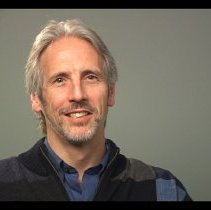
Bruce Robertson Interview |
Scope & Content |
Bruce Robertson interview, 5 March 2009. Digitized MP4 from Sony 40 Advanced Me DVCAM. Two videos with a total viewing time of 00:59:51. 1 of 2; 00:07Childhood: raised in Vancouver; learned to swim at family cottage at age 3; took lessons at Crescent Beach; first race at age 5, raced in sea water in a safe spit area, graduated to ocean swims by swimming 25 yards in safe area; swam 25 yd in a freestyle race for 8 and unders and won; genesis of his swimming career 02:55Other sports: tennis, baseball, soccer, rugby, racquet sports in high school 03:33Pursuit of swimming: swam at Crescent Beach from 5 to 16 every summer, got more training and competitive events; his programme was swim in the summer and other sports in the winter, no focus on any single sport until 16 04:19Did well in the swimming programmes which were basically for 2 months of the year 04:46Milestone event: won a race at Leeds, England at age 16 in the butterfly event; at 16 his choices were to get a job or some other pursuit, the coach at Crescent Beach got him into winter swimming, started competing all year round at 16, 9 months later qualified for his first national championships 06:04Recognizing good at the butterfly: during winter swimming originally did freestyle, did not swim the butterfly at longer distances, qualifying for the nationals was a great milestone for him; at the trials for the 1971 Pan American Games he posted the 3rd fastest time in the butterfly, realized he was not far away from winning, turning point for him, realized he had a good opportunity for the Olympics 07:26Stepping it up: coach Derek Snelling ratcheted up the training, went with the programme and worked hard, under Derek's guidance the entire team did well 08:12On the disciplines: primary focus was on the freestyle, was doing reasonable well and making the finals; got into good physical condition so could swim the 100m butterfly and applied himself, took from 16 to 18 to get his conditioning so he could sustain a good pace in the butterfly and that's when his times started dropping and he was getting closer to Byron MacDonald who was the Canadian champion 09:18Training: did shift his focus slightly to the butterfly, worked to sustain his pace throughout the race 09:49On Leeds, England: did not qualify for the 1971 Pan Americans, was on the secondary team and was seen to have potential, Swim Canada wanted to give these individuals some competitive experience so they were sent to Holland and England; the major meet was the British Championships and he won the 100m butterfly, showed him his results at the Canadian trials weren't a fluke and that he had the opportunity to really do something 10:53When did swimming start to dominate your life: at 16-17 still playing high school sports, after 1971 his focus shifted to swimming 11:41Important people in his life: his coaches - setting training and competitive schedules building towards 1972 Olympics; the team - tight knit, same ages, got along, everyone doing well, support group in and of itself in keeping you level and sane and enjoying swimming as opposed to the intensity of the Olympics; his parents -supportive 13:05On his father: he encouraged him but did not micro manage, left it to coach Derek to set up the programme, knew what was expected from high performance sport, from that perspective very supportive, never pressured him 13:59Restates above 14:32Relationship with parents: they avoided sports talk at the table; very proud of his accomplishments 15:38On being ranked #2 in 1972: in 1971 his time was 213rd in the world, went into intensive training in the fall and winter, competed at the Australian nationals, improved his time and this was a good bench mark, by the time he was coming into the Olympics his time was 6th in the world 17:19Munich Olympics: was a wonderful experience, still young and naive, was his first major multisport games, the competitive level was high, the team was good, Derek was the head coach, stability within that, felt confident and good about himself, didn't have goal about his race, knew there were very good competitors and had an outside chance at the Bronze medal in the 200m butterfly, that was the focus, the focus was on the speed since he knew he had the endurance and to be with the other racers at the 50m mark; talks about the heats and semi-finals, had confidence going into the finals that he could drive from the final 50m, made the change in strategy going into the finals, talks about the other competitors and the race and winning the Silver medal, was his best tactical race and his best time 24:20Controlling emotions: his naiveté was his biggest asset, was just another race although an important one, the focus on the Olympics as the pinnacle of his career was beyond him, not pumped up, no one expected him to medal so no pressure, talks about pressure on Mark Spitz who was going for 7 gold medals and the psychological differences between them and their expectations 27:30Lessons learned: managing expectations within yourself and mentally is a critical point of performance; came from 16 to 19 years of age and was considered coming out of nowhere, the vast majority of medal prospects are people who are there, who have proven themselves on the world stage, lesson is there will always be people who have come out of the woodwork and break out of nowhere, high performance programming has to go on the medal prospects but need to keep an eye on the up and coming athletes 29:31Munch: swam 7 events in freestyle, butterfly and the medley relay; swam the fly leg in the relay, ranked 4th, had an opportunity for a Bronze medal, talks about the race, all 4 team mates were confident and swimming well, the turning point was Eric Fish's leg for the backstroke, they all did their best times 33:03Does keep in touch with his team mates but the opportunities to see each other are rare 33:321973 World Championships: first Worlds for swimming, previously had considered the Olympics to be the Worlds, now the mainstay of the competitive programme; they were held the year after the Olympics, many of the competitors had retired so the field was wide open, a tight race, used the same strategy; won Gold, first for Canada in about 50 years, was a boost to the team, nice to contribute overall to the sport 36:08On his mindset in 1973: focus to win the event, entire programme was on knowing he had his base but had to work on his speed, worked on his strength, absolutely looking at the Gold medal 37:31Which medal most meaningful: the Olympic Silver because it came first, was unexpected, had a great race, his best time 38:17Medley team at the Worlds: different group, others had retired, the strategy was the same 39:11On the butterfly leg: was 6-7th going in and 3rd at the end 39:34On the Commonwealth Games: was a good event, enjoyed it, focused on balance between the butterfly and the freestyle, brought his freestyle up to level, won 6 medals 00:16Peak in the sport: his competitive career was from 16 to 23, 7 years in length; talks about continual conditioning of his body over those years, intense training programme but not at competitive speed; a swimmer can be in incredible physical condition but lose speed and edge, the programme should have been more on speed training; today's programmes balance between endurance and speed; from 1973 to 1976 was in peak physical condition from an endurance perspective but when he was younger he was at his peak in speed; key is not losing that edge, that speed 03:48Lessons learned: over the years there has been an investment in sport science, many studies coming out of the Universities all over the world and applied by the coaches; when he was swimming it was in its infancy; those lessons have been learned 04:34On 1976: feels if the programmes and sport sciences existed at that time his times would have been better 05:00On Montreal: felt less pressure despite being in Canada, just another pool; felt more pressure from have won medals and top world ranking; huge psychological difference between trying not to lose and no expectations [1972]; pressure can be irrelevant is someone is swimming well, confidence can overcome and even enhance performance; if not swimming well and unsure not at peak can affect confidence; this is more what he felt like in 1976 07:53Left Montreal disappointed, not satisfied with what he had done, was finishing at University, no many to say on, mind shifting to his career and work 09:30Changed by the experience: travel opened his eyes, different perspective of the world; not just travelling as an individual but as a representative of the country, understood how incredibly lucky we are to live in this country, changed his perspective and outlook 10:48Today; plays soccer in the summer, in winter indoor soccer and swims to keeps in shape 11:20Proudest take-away: still incredibly thankful for the physical ability he has; for the friends gained over the years, still in touch with his team mates; volunteers for the Commonwealth Games 13:06On the Commonwealth Games Association: started to volunteer in 1986 as the treasurer (he is a chartered accountant), later in the International Association, talks about the commissions he has been on and what he has learned, talks about how the culture of the 1974 Games has affected him and that is why he volunteers 14:50On being inducted into the CSHoF: wonderful recognition of his competitive career; more exciting for his parents 15:34Advice to young kids: sport is a wonderful thing for kids to be involved in at any age and any level; participate in as many as you can; if decide to focus and excel in one, that is fantastic, otherwise you still take away lot of friends, conditioning, skill and life skills that will keep you well in any endeavour you get into 16:44Talks about the Crescent Beach programme he started in and credits the coaches for his career 18:09Introduction to the Hall |
Date |
2009/03/05 |
People |
Robertson, Bruce Fish, Eric Snelling, Derek Mahoney, William Kasting, Robert |
Search Terms |
Bruce Robertson Swimming aquatics Interview 1972 Olympic Games Munich World Championships 1975 Pan American Games Mexico City 1974 Commonwealth Games Christchurch 1976 Olympic Games Montreal Commonwealth Games Association |