bil.png)
Archive Record
Images
Metadata
Object ID |
2013.55.51 B |
Object Name |
Video Recording |
Title |
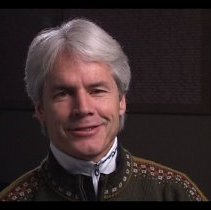
Ken Read Interview |
Scope & Content |
Ken Read interview, 21 November 2006. Digitized MP4 from Sony 40 Advanced ME DVCAM. Viewing time 00:35:37. 00:28Childhood: played hockey, skied, baseball, lacrosse, golf 00:41Idols: followed hockey but skiing was his passion; Nancy Greene, a Canadian who proved to us that it was possible for a Canadian to be very successful in ski racing; Jean-Claude Killy, epitome of an athlete who had the complete resume - top athlete, businessman and great individual 01:33First on skis: family sport, Mom a skier as well as siblings, went very single weekend to ski at Camp Fortune in Ottawa 02:29Age 3 when started, doesn't even remember learning how to ski, just like he doesn't remember learning how to walk 02:40What was it that you liked so much: a family sport allows for quality time, allows a youngster a sense of independence, had freedom of the hill, speed, going off bumps and off into the trees, little bit of a rebel, camaraderie of friends 03:42When did you start to take it seriously: age 8-9 when realized he had some skills, pursued dream of becoming member of National Team at 11-12, realized amongst best of his peer group, was a member of the Ottawa Ski Club who had some outstanding members like Betsy Clifford on the National Team, "if they can do it from this humble hill, I can too" 04:31Realized could compete with the best: two occurrences, realized he had the skill when raced his first downhill at Lake Louise at age 14, first FIS level, didn't have great expectations, started 80th and finished 30th, realized he had a propensity for speed when he crossed the finish line and wanted to do it again; realized he was competitive internationally in first year in Europe on the National Team, watched Franz Klammer win a world cup with his team mates and they all said "we can do that" 05:53Crazy Canucks: started off with a negative explanation of why we came out of nowhere, appearance of recklessness because Canadians weren't expected to win World Cup races, we were patterning ourselves after Klammer who was doing the same thing but because he was Austrian it was expected; over time recognition we were as good, especially after winning World Cup races; respect and some irony that Crazy Canucks became the familiar label for the group, never was there a purpose to being reckless, "you can't be reckless in the downhill, must be methodical, prepared and never take a risk" 07:09How to train to race at speed: years and years of patience and skiing, ultimate skills of the downhill came from skiing at a young age over the hill and bumps; formal training step by step progress, first year in World Cup circuit was gaining experience, still not competitive with the very best, each year you look at how much you have progressed, so when along the way what you look at it as being impossible has slowly step by step you have moved forward until you are in that elite group, have the confidence to push the limit and take calculated risks 08:48First World Cup win at Val d'Isere 1975: first race in the first seed and drew bib No. 1, no Canadian male had ever won a World Cup race, expectation to finish in the top 10, training went well, had a good run but short of hill record, then had to wait for rest of skiers to realize he has won, real shocker, "I've achieved my goal, now what do I do - do it again." 10:48On being the youngest to win: Ignorance was bliss. Expectation not that I was going to win but prove credentials in top seed, really not focused until trying to win again, many years later pointed out he was the youngest which underscores why it was 2 ½ years before his next win 11:501976 Olympics: it was the second best race of the season, mind set changed from the first race, which he won, adjustment for the team as everyone looking at them, fishbowl experience, steep learning curve for a young, inexperienced team, look back lack of familiarity of being a leading competitive team, looks at his 5th place as pretty remarkable, also knows he could have done better; having one Winter Olympics helps an alpine skier as it gives them experience to deal with the second 13:30Did the Olympics inspire you to reach higher: the Olympics push you harder, talks about 36 World Cup races per year but World Championships are only held every second year and the Olympics are every 4th year, attention of world on Olympics, one moment to deliver, when you believe you have that skill, combination of athletic side and everything else, makes it a special occasion 15:001980 Olympics: all the right things in place - right age, had experience, strong team, top seed, Canadian crowd but the ski coming off beyond his control, realized it was another piece of learning, did not see it as the last chance at the Olympics, in 1983 skied the Olympic downhill course at Sarajevo, it was disappointing and decided it was time to move on 16:31His perfect race: Kitzbuhel 1980, for our sport the Holmenkollen is the unofficial World Championships, toughest downhill in the world, his best before was 8th, that summer he and Steve Podborski hiked along the course and when he came back in January he had a stronger sense of place; everyone came together for that race - the team, coaches, service men, felt it was all clicking, can still see it in his head 19:24Book White Circus: approached by publisher after she had read a magazine article, contacted Matthew Fisher, reporter who had followed the team, to write the official chronology of the team, Canadian best seller & very proud of it 21:19On today's skiers: sport never stands still; looks at today's athletes and marvels at their condition, preparation, equipment and no question they are faster, better, smarter and experienced 22:13Why stayed in skiing: continued involvement due to his parents active involvement with sport, mother international technical delegate, both parents sat on Boards, instilled in all of their children a sense of commitment, not only as an athlete to give 100% but to give back, natural progression to work with Alpine Canada, talks about his 2 brothers and their involvement with sport 24:25Will there be another World Champion for Canada: we are getting there, have the competitive base, competitive depth in each group, coaching support to give leadership, resources, all pieces blend together, aim: "We are in this business to win", winning inspires all the rest, such as programmes and events, "winning is fun" 26:53Talks about funny moment at the 1988 Olympics in Calgary 29:20Life lesson: "the most enduring is to realize that while sport is very individual, it has to come from within, there has to be a passion within but that passion is fueled, supported, maintained by those people around you, parents, coaches, teammates, a broad well of people who enable you to have that moment, to shine and recognize how important that contributions they want you to give your best. When one realizes that, how much people want you to succeed, the ends that they are willing to go to help you achieve your goals, you've learned something very important from sport." 30:58On being competitive: can enjoy sport at different levels, doesn't have to be intense or high level; the desire to win is the other element of sport. Some are very driven to win and some enjoy the social side. Winning is one of the goals. Instill in the young the heart, the passion, love to do it, see dedication to improving sill, goal oriented, transferable skills to life, sport is a medium that helps kids become good citizens 34:00If you hadn't been a skier what would be have done with your life: skiing has been an intimate and full part of his life; would have been involved in sport somehow or may have ended up writing about sport |
Date |
2006/11/21 |
People |
Read, Ken Greene, Nancy |
Search Terms |
Interview Ken Read Alpine skiing skiing 1976 Olympic Winter Games Innsbruck 1980 Olympic Winter Games Lake Placid World Cup |