bil.png)
Archive Record
Images
Metadata
Object ID |
2013.55.142 B |
Object Name |
Video Recording |
Title |
John Primrose Interview |
Scope & Content |
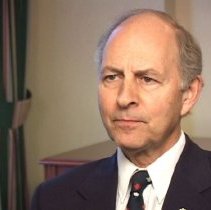
John Primrose interview, 16 September 2008. Digitized MP4 from Sony 40 Advanced ME DVCAM. Two videos with a total viewing time of 01:05:27. 1 of 2; 02:04Childhood: involved in sports, golf, badminton, hunting, hockey, wanted to be a professional golfer, played a lot of hand-eye coordination games, attributes this to helping in his success in shooting; in Grade 12 was shooting well in the American style & decided to concentrate on shooting as his sport, gave up on golf, wanted an opportunity to travel the world, attended first Worlds in 1962 04:50How exposed to the sport: his father introduced him to shooting, took him out duck hunting at age 12, learned to hone his skills, father represented Canada in skeet shooting in 1965 at the Worlds, got him interested in both American and International style of shooting 06:11Sense of being good: shooting came naturally to him because he had the opportunity to handle fire arms when young, hand hand-eye coordination skills, at 16-17 had early success at the American style which he left as he had no future in travelling the world with it; had success early and success tends to breed success; made the national team in 1962 at 20, was competing against older shooters and doing well, was studying Physical Education at university, both fitted together, feels being involved in physiology and psychology helped him in his career 07:45Steps in his career: provincial championships to the Canadian championships to team selection trials for the Olympic, Commonwealth Games, Pan American Games or Worlds, was a week of shooting with high gun at the end getting to go; his training in badminton & racquetball helped him develop hand-eye coordination, developed own drills at home to become alert to anything moving around him & have total body fitness; shooting has a physiological component, have to be physically fit to shoot all day 10:08On the physiological component: certain amount of fitness required for shooting all day, stress, the pounding on the shoulder; being physically fit gives you an advantage, mentally stay stronger and in control 11:32On trap shooting: first is the safety issue, you start with gun safety, then getting the stance and having the gun firmly in your shoulder, having trigger control & looking down the rib, having your head in the right position; do need practice; talks about the hit on the shoulder and the recoil; talks about the shells, today have reduced the powder and the shot charge so less recoil in order to bring in more women and juniors into the sport 15:07Changes in the sport: reduced shot charge; reduced powder; target distances have changed; different targets; rules have pretty standard; trap shooting has been in the Olympics since the early 1900's; talks about new firearm technology with advanced trigger mechanisms; vision is a limiting factor, need good colour vision to hit a moving target against a variable background 17:37Timing of the targets: shot international trap, talks about the traps and the shooting angles, release time and reaction time; in the finals they use a vegetable dye in the targets so the audience can see the dye dispersed when the target is hit, for both spectator enjoyment and for TV coverage, talks about the TV coverage 21:54Significant breakthrough: in 1962 made his first national team, was competing against experienced shooters so that gave him confidence; made the 1968 Olympic team & finished 8th & won the Canadian championships, knew then he could compete; not a sport that was really dominated by one person, can have different winners on different days, a matter of being in the right place and the right time, shooters peak for performance; was 6th at the 1972 Olympics; won the Gold medal at the 1974 Commonwealth Games for the first time, had a 100 straight & missed 4 targets over 2 days of shooting, his first major breakthrough; was on the organizing committee for the 1978 Commonwealth Games in Edmonton, later stepped down so he could compete and won the Gold medal again, first time a Gold medal defended at the Games in this event; won his first Worlds in Munich in 1975, shot 197/200, largest score differential ever recorded; 1976 Montreal wasn't his day, a big disappointment, did not perform up to his expectations; won his second Worlds in 1983 in Edmonton on his home range; has competed in 6 Olympic, 5 Pan American, 5 Commonwealth Games 30:03On the Olympics: talks about liking to attend the Opening Ceremonies but having the trap competition start the next day, need time to settle and refocus, alternate to skip the opening 33:00Pressure on self: didn't struggle much with pressure, concentrated on technique & form, shot the best he could, not a lot of national pressure to win, was working on his academic career at same time, the thrill of competition was embedded in him 35:31Was president of the Alberta International Style of Trapshooting Association for over 20 years, his contribution back to the sport; feels that as an athlete he had to give something back and that was why he was so heavily involved in the 1978 Games, "if you are going to keep the sport going and want to see younger athletes and competitors with a focus and something to aim for then older people have to stay around and provide mentorship"; talks about the Americans & Russians using their military for their teams and the Cold War Era and the tension it caused 38:17Who were your competitors: the Italians, Americans and Russians; the Italians made fire arms and had pro teams 38:58The only wall came from the Soviet countries, got to know them more in the 1980's, neither wanted to know each other, talks about the propaganda issues 2 of 2; 00:27On physiology: the heart rate does increase throughout the day, rifle shooters want a low heart rate, his was naturally low so it was advantageous 02:12On the margins of winning: small difference in the terms of performance among the top shooters, talks about pattern density and hitting targets on the rims, luck involved, having different performances on different days so wanting to peak when you had the greatest opportunity to win; spent a lot of time training on peaking performance both physically and psychologically, had 2-3 peaks per year and being able to bring in a perfect focus at a major event; talks about factors like the weather that affect performance and other variances 06:22Top achievements: the 2 Commonwealth Games Gold medals and the 2 World Championships; had disappointments such as not winning the Olympics; talks about competing all over the world, great educational experience to see how the rest of the world lives 08:10On funding: most out of his own pocket; got carding from the federal government in the 1970's which helped some; talks about today's athletes not being able to cover their costs, feels this is a limited factor in sport; feels his sport has gone down and is not producing good athletes 13:13Most proud: the Worlds in Edmonton in 1983, only time they were held in Canada, in his home town; next is the 1978 Commonwealth Games; then Munich where he was shooting extremely well and at the peak of his career; being able to combine his shooting with his education 14:36Very satisfying in terms of overall outlook in life; "we all try to accomplish something in life", reached most of his goals, afforded him an opportunity to meet people and travel the world; the desire to win was a guiding principle 15:40Role model: his father who was the Justice of Alberta and Dr. Maury van Vliet 16:46Why a young person should play sport: sport is an encompassing experience that rounds out your life, lot of carry over to business and education, has physical fitness, teaches sportsmanship 17:58Advice to a young person in sport: perseverance and desire to be good at what you want to be no matter what in life; got to have the desire to reach those goals and achievements and if you do, you will get pretty close to them; can't be all-encompassing, will get beaten and can learn from mistakes and losses and try to do better next time; important to try to improve your own life and set a standard for people to follow 19:40Shows his medals and talks about them 23:00What his career has meant to him: fortunate to compete, career over 4 decades, a wonderful experience, advise it to anyone, still enjoys recreational shooting and meeting friends he has made from all over the world 23:54On being a member of the CSHoF: culmination of his career and significant to him because highest SHOF you can be inducted into in Canada; proud to be part of a elite group 24:54Introduction to Hall |
Date |
2008/09/16 |
People |
Primrose, John |
Search Terms |
John Primrose interview Trap shooting Shooting World Championships 1974 Commonwealth Games 1978 Commonwealth Games Edmonton 1968 Olympic Games Mexico City 1972 Olympic Games Munich 1976 Olympic Games Montreal 1984 Olympic Games Los Angeles 1988 Olympic Games Seoul 1992 Olympic Games Barcelona |