bil.png)
Archive Record
Images
Metadata
Object ID |
2013.55.121 B |
Object Name |
Video Recording |
Title |
Roger Jackson Interview |
Scope & Content |
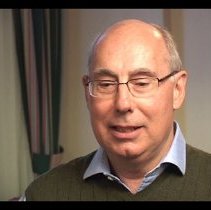
Roger Jackson interview, 22 November 2006. Digitized MP4 from Sony 40 Advanced ME DVCAM. Viewing time 00:39:37. 00:09Introduction to Hall 00:28Childhood: played sports at school, hockey, baseball, football, track & field, favourite game was street or ball hockey 01:18When first got in a boat: rowed at the summer cottage, while attending Western University as a freshman wanted to try something new, joined rowing club, also rowed at the London Rowing Club 02:23Why liked it: brand new experience & sport, liked being on the water in the fall when the rowing season began, liked the people who rowed, enjoyed the friendships, enjoyed the unique camaraderie and 8 people in a boat, rowing in unison, as a team 03:22On getting up early: got up 4:30am & on water at 5:30 for workouts, trained twice a day, several months a year 04:04When did you start getting serious: stroking for all the boats, someone thought he had the rhythm, talent and mental toughness to drive the boat, never really thought about it himself, went to University of Toronto to continue his studies, 1963 was the start of the Olympic year, in his own mind began to wonder if he could compete at an international level, UBC represented Canada at the previous Olympics, Commonwealth Games and the Pan American Games, decided to try to join them, trained with them and was selected to go to Tokyo 05:57Coaches: at the time in May 1964 coach was Glen Mervin, who had been the stroke in 1960 Olympics in Rome, he was a marvelous coach who knew the quality of work required, had intense workouts, he drove the team; Roger had been selected in the last 6 weeks to row in the pair, Glen coached the 8's and David Glanden coached the pair while they were in Vancouver and Glen took over in Tokyo 07:33George Hungerford: he was a key rower in the programme, originally in the 8 crew, got mononucleosis and was replaced in the boat by Wayne Purdy who was Roger's pairs partner, Roger rowing mostly on his own to keep in shape, early in September George and he got together as a pair, trained for 6 weeks, when got to Tokyo no idea how he would hold out in a heavy race, in heats found they were the fastest pair 09:48On winning the Gold medal: had no idea where they would end up in pairs race, they had not had any pairs competition, used to rowing and racing the race, in Vancouver trained by themselves, later found out what they were doing was way beyond what others were doing, no idea of what they would do, talks about first race in heat and had best times of all heats, paced themselves well, discipline and own response to the race was encouraging, went automatically to the final 12:24Famous picture: talks about the final, did not have a good start but the race was called back because of a false start, Roger was the stroke, on rudder on the boat, they balanced beautifully and were synchronized, talks about hitting the lane markers, George tiring, Dutch team catching up, crossed the line and did not know if they won, had to wait for the announcement "Canada", that's when they did the handshake 16:46How long did you stay together: tried to row for another year, rowed at Henley, George's mono came back, stopped rowing, Roger continued on for another 2 Olympic Games 17:28Who were your other partners: in 1968 rowed alone, doing his doctoral studies at University of Wisconsin, had strong tradition of rowing there, trained in the singles, won the Olympic trials, Junior Singles and Senior Singles that year; in Munich rowed with the 4's 19:10On his long career: doing his academics at the same time, got doctoral degree in 1970, in 1972 paired with Jim Walker, talks about training and making the Olympic team 20:46On being the flag bearer in 1968: raced the next day and came close 2nd in his heat, got ill between heats and did not row well 21:53On retiring in 1972: was 30 at the time & was time to move along, was married, easy transaction from being athlete to Director Sport Canada and being involved with COA 22:49Did you stay involved in rowing: not much, not part of that sport federation, took up other sports such as cross-country skiing 24:01On OTP: as Director Sport Canada in 1976 helped get athletes ready for the Olympics; when he retired from the University of Calgary took over Own the Podium from Cathy Priestner who had organized the programme, was Chief Executive, worked with hall the national sport organizations preparing for Vancouver in terms of funding, new programmes and new policies 25:25Sports idols: hockey players from the Leafs and Canadiens, only 6 teams in the NHL at that time, names the players 26:34Life lesson: never learned how hard he could work until he was really forced to do much more than he ever believed was possible and often much more that he wanted to do; anybody in a tough endurance sport are asked to go to exhaustion and beyond what you ever thought you could do, then all those experiences you learn if you do have a goal that you chose and it really is a tough goal, then there's only one way to get there; if you put your mind to it and are prepared to do the work and the tough suffering that got you there has served him well over large projects in his life 28:37Do you learn more from winning or losing: learn from a tough race that you might have quit, do you have the courage to attack, do you have the strength in you or is second good enough; learned more from the training not the racing where you pushed yourself every day vs. a few races a year 30:14On being inducted: surprising, wonderful achievement, humbled by the other athletes, honored and privileged 31:08Funny moment: talks about race in Copenhagen and sportsmanship shown by the Danes 34:30On cultural diversity in sport: sport is culturally diversified in the world, the IOC has more cultural connections in the world, opportunity for people of all races, genders to become involved 36:36On young people being competitive: you can enjoy sports without being competitive, his ambition is for all youth to get involved and to enjoy being physically active and enjoy the fitness, being with others, challenges, friendships, team work, learning of fair play and values of sport, discipline; tremendous values, whole recipe available to Canadian youth 38:34Talks about the Olympic medal from Tokyo |
Date |
2006/11/22 |
People |
Hungerford, George Jackson, Roger |
Search Terms |
Roger Jackson Rowing Interview 1964 Olympic Games Tokyo 1968 Olympic Games Mexico City 1972 Olympic Games Munich COA COC Canadian Olympic Committee Own the Podium Sport Canada |