bil.png)
Archive Record
Images
Metadata
Object ID |
2013.55.88 |
Object Name |
Video Recording |
Title |
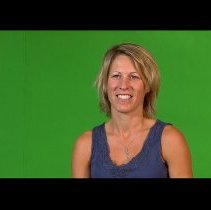
Andrea Neil Interview |
Scope & Content |
Andrea Neil interview, 18 October 2012. Digital MP4, viewing time 00:17:40. 00:15When did you first get involved with soccer: started recreational soccer at 10, played many sports, focus on badminton, at 16-17 invited to be part of soccer team programme, the team players were younger than her but were better players, being in a more competitive environment she grew as a player and realized she like the sport 01:28On the motorcycle accident: had to chose between two sports of soccer and badminton, had been identified for the national soccer programme and at same time had advanced to senior levels in badminton, took some time off and crewed an a tall ship, suffered a leg injury which got infected and almost lost her leg "when things are about to be taken from you, it puts things in perspective and makes things clear; accident changed the course of her life, knew now that soccer was the direction she wanted to go; (03:53) "it changed my soccer perspective and it changed my life perspective", can't extrapolate one from the other, changed her attitude towards school and people 04:27What was it about soccer that made you make that decision between it and badminton: the training from badminton crossed over well into soccer, drew from the hand/eye coordination, agility and repetition of badminton, soccer required foot/eye coordination; true camaraderie that you are doing something bigger than yourself in competition and a lot of unforeseen variables in a team sport, passionate about it 05:44Was there a moment when you realized you were going to excel: no, it was new, had a later start in competitive game in terms of development, never first nature, always a challenge, took every opportunity offered which grew into an 18 year career 06:22Role models: Charmaine Hooper, she was incredible for a young athlete to look up to, whenever you look at an athlete who excels, or even in life whatever you choose to become a master at, there's always a lot of hard work and the opportunity that people gave you in life; talks about being taken into the team and given support and that it was integral to her as an athletes 07:17Did you have any other support system that you relied on: it is the opportunity that people give you, her parents were integral to her, talks about her birth defect and how her parents encouraged and enabled her 08:31Tell us about the UBC Thunderbirds and did that really propel you forward: went into the more competitive university programme after she returned from her time off and was told by the coach that she had to be a leader; realized leadership opportunities included intangibles such as communication, opportunity to learn life skills that have taken her outside of soccer, she had been very shy and had to work beyond herself 10:08What would you say is your greatest achievement: not by myself but as a team the 2003 World Cup and finishing fourth, fine line between success and failure, even in life, could have gone home after the 1st round, the momentum locked in and it was the consummate team performance that she is incredibly proud of 10:56You are considered a pioneer and an ambassador for women's soccer, how do you relate to that: important, not for me, didn't have soccer role models when growing up and soccer experience on the national team did not start for her until the mid-1980's, "I think it is important for people to have tangible female role models within the game. It's not something you aspire to. You just want to support the women's game. You know what capacity it has and want to do what is right for the game" 12:00You played 132 international games for Canada. What games has the most significance for you: the whole story of the games at the World Cup were incredibly important; talks about the moment when the new team coach told her that younger players were coming up and that were going to push since she was getting older, her response was "you cannot put a value on what intangibles people can bring", the next game set the tone and she played for points after that 13:51Are you working as a coach now: coaching is as important as any role in sport because we are all interconnected, can't have any success in what you are choosing to master in life without a lot of experience, with experience in the successes and the failures, that wisdom that you gain over time; passes on knowledge, to help and support the younger players in an honour; spent 3 years with the national team coaching 15:29What is next for women's soccer in Canada: the success of the team in the recent years and to keep it rolling after the Olympics of 2012 is hugely important, people are now aware of the game and it is great for women's soccer in Canada, going to continue growing interest with the upcoming tournaments, need to create a sustainable model to continue growing the sport 17:14Exit message |
Date |
2012/10/18 |
People |
Neil, Andrea |
Search Terms |
Interview Soccer Andrea Neil women in sport 2007 Pan American Games Rio de Janeiro World Cup Soccer Vancouver Whitecaps FC FIFA Women’s World Cup Team Canada |